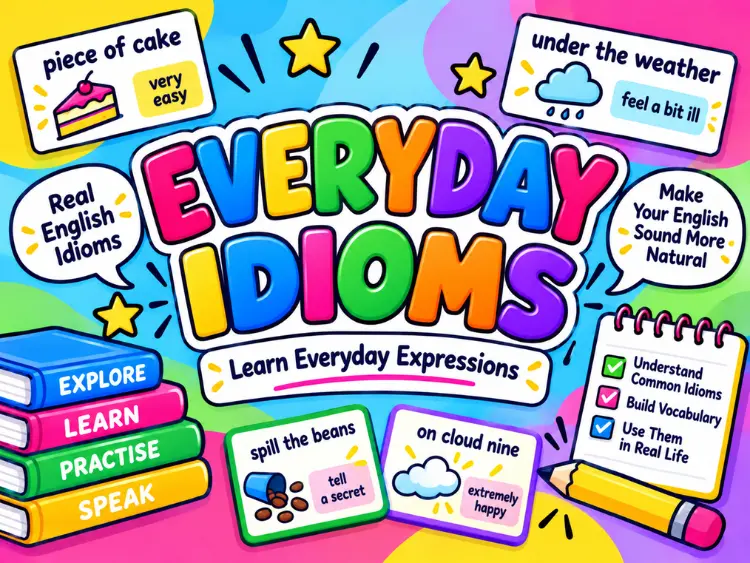
Upgrade Your Vocabulary
Discover better words and phrases to make your English more natural, varied and confident.
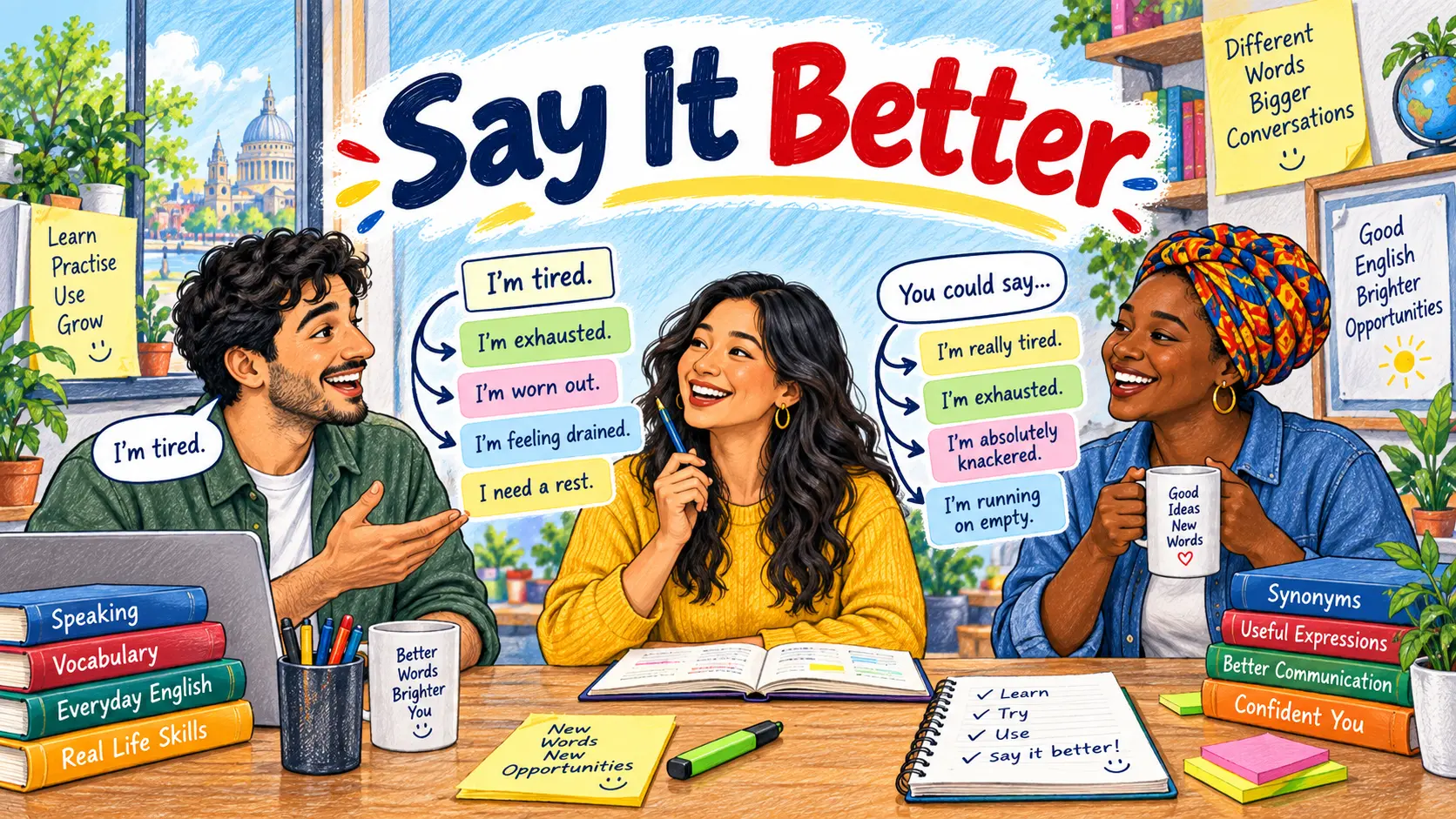

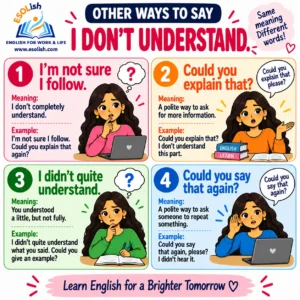
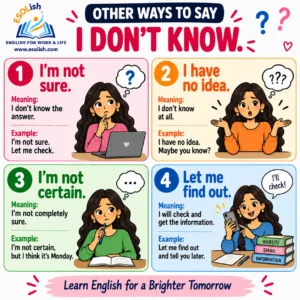
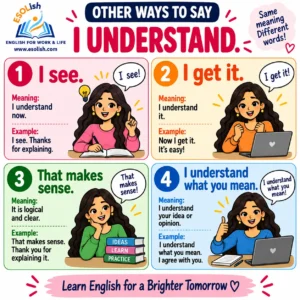
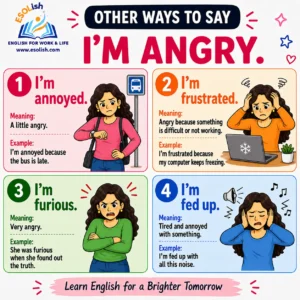
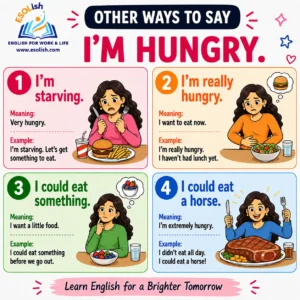
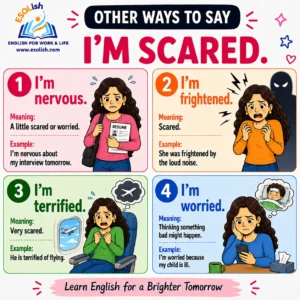
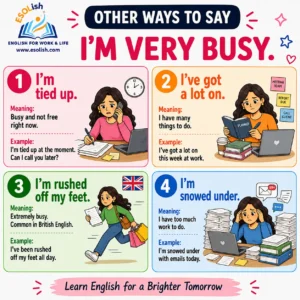
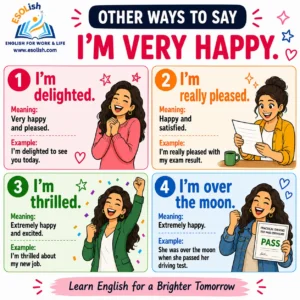
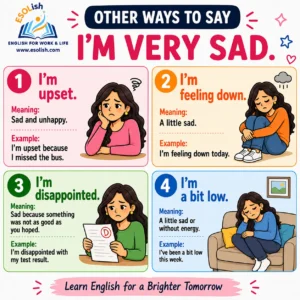
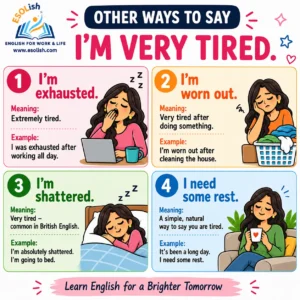
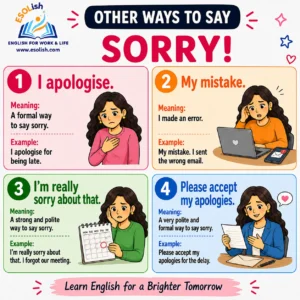
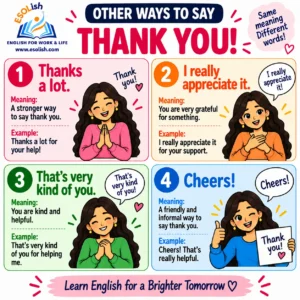
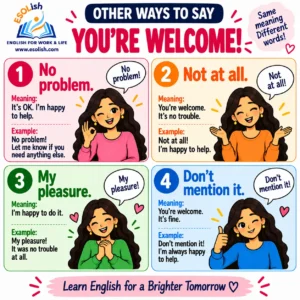
Explore English vocabulary cards for adult ESOL learners. Learn other ways to say everyday phrases such as “good luck”, “thank you” and “I understand”, and express feelings with more confidence.
Upgrade your vocabulary: make time for English practice
First, choose an activity that interests you. You do not need to finish every resource in one session. Instead, focus on a few useful words or expressions and give yourself time to try them. Read the examples carefully and say them aloud when you feel ready.
Next, use a new word in a sentence about your own life. For example, talk about your daily routine, a place you know or something you enjoy. Keep the sentence simple so that its meaning is clear. You can also practise with a partner and compare your ideas.
Keep practising with Upgrade your vocabulary
Afterwards, return to the activity and notice what you remember. Write down any words you want to practise again. Short, regular practice can help you use new language with more confidence. Teachers can choose suitable resources for a lesson and give learners time to discuss their answers.
Finally, explore the related pages below for more listening, reading and vocabulary practice. Choose tasks that match your confidence and interests. If an activity feels difficult, start with a smaller part and build up gradually. The resources are free to use, so you can revisit them whenever you need a reminder.
Select a card to open the full-size image in a new tab. Read the alternatives, choose a phrase that suits your situation and practise using it in your own sentence.
Explore more English resources
Keep building your English with these free resources for adult learners.