Reading Corner
Explore simplified stories, Shakespeare and easy-to-read classics for adult English learners.


King Lear by William Shakespeare
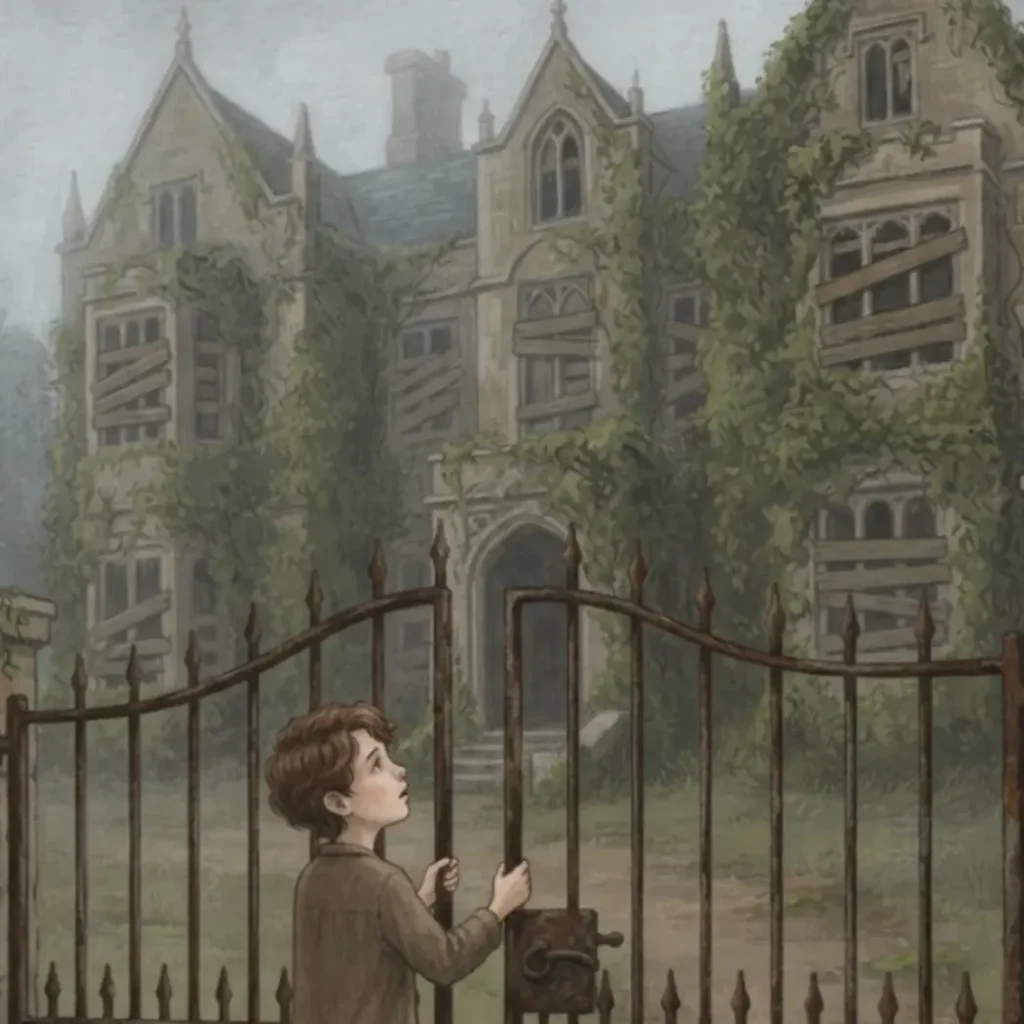
Great Expectations by Charles Dickens
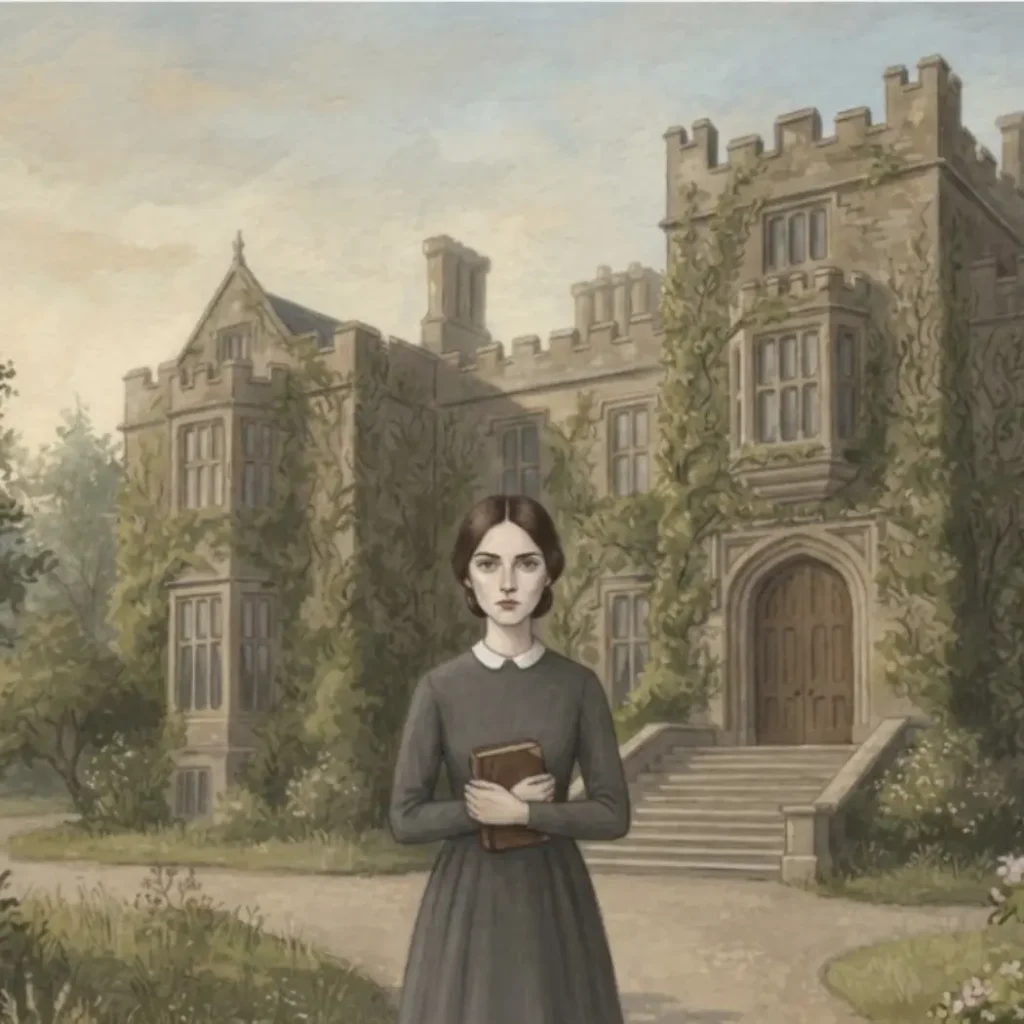
Jane Eyre By Charlotte Brontë
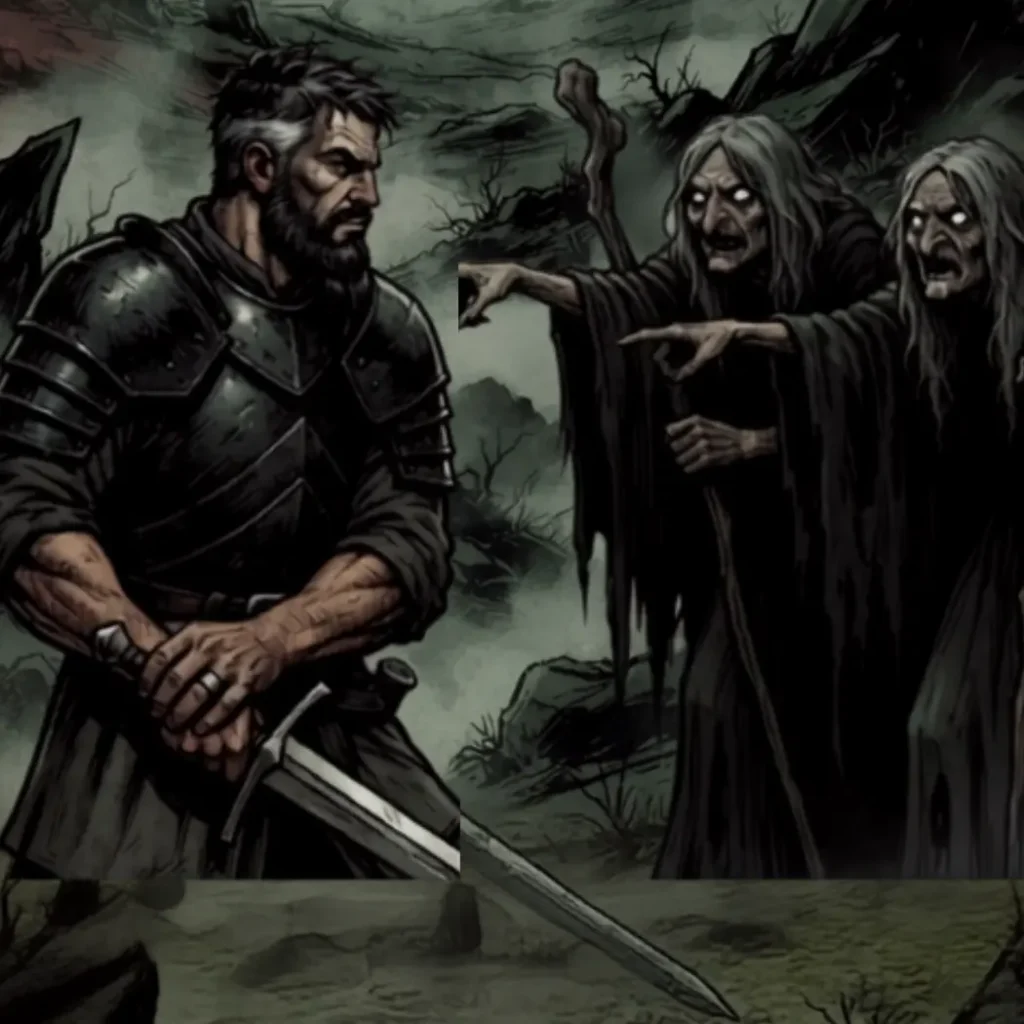
Macbeth by William Shakespeare

Romeo and Juliet by William Shakespeare

Lamb to the Slaughter By Roald Dahl

Hamlet by William Shakespeare

Lord of the Flies By William Golding
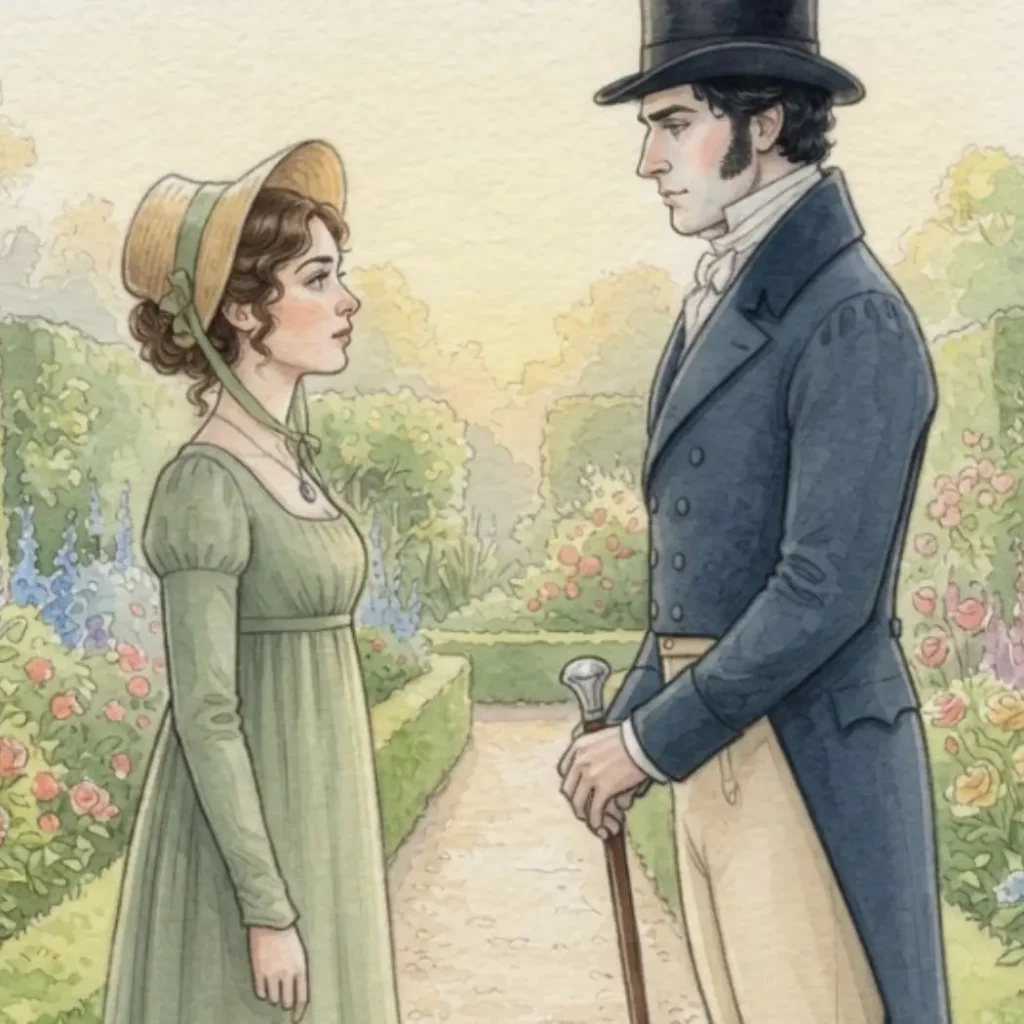
Pride and Prejudice by Jane Austen

Animal Farm By George Orwell

The Old Man and the Sea by Ernest Hemingway

An Inspector Calls By J. B. Priestley
Explore free PDF simplified stories adapted for adult English learners. Practise ESOL reading, discover new vocabulary and build confidence with classic tales by Shakespeare, Dickens, Austen and other writers.
Choose a book cover above to open its PDF in a new tab. Read a short section at a time, note useful words and retell the main events in your own words.
How to read simplified stories
For illustrated classics with clickable vocabulary and British pronunciation, explore Classic Stories, Simply Told. Choose from seven familiar stories adapted for adult English learners.
First, choose a title that interests you. You do not need to read a whole book in one sitting. Instead, start with a short section and think about the main idea. Ask yourself who is in the story, where it takes place and what happens.
Build your vocabulary
Next, choose a few useful words from your reading. Try to guess their meaning from the sentence before looking them up. Then write each word with a short example. You can also read a sentence aloud to practise saying the words clearly.
Talk about what you read
Afterwards, tell a partner about the main events. Use your own words and start with a simple sentence. For example, describe a character or explain a choice they make. Ask your partner what they think and listen to their answer.
Keep practising with simplified stories
Finally, return to a section you enjoyed or found difficult. Reading it again can help you notice details and remember new words. Teachers can choose suitable sections for their group and use them for discussion or short writing tasks.
Choose reading that suits your confidence and interests. Some stories include serious themes, so teachers should review a text before using it in class. For more reading practice, explore the related English resources below.
Explore more English resources
Keep building your English with these free resources for adult learners.